Is it worth living in a gated community?
Text from 2018. Laws, rates and prices may have changed since then. Ask an agent

For most Poles, gated communities have become a synonym for luxury that few can afford. In recent years, however, more and more negative voices have been heard about them. What is the status of gated communities on the property market today? Is it worth living in one, do they give a sense of security, or do they perhaps become a barrier that isolates residents from the outside world?
The trend for gated communities came to Poland in the 1990s. At that time, flats in them were indeed decidedly more expensive than comparable flats in open estates. The fashion for the luxury of "being gated" was not born in Poland. Brazil and Argentina are the cradle of gated communities. In those countries, however, their purpose is not to raise the status of residents but to ensure their safety. From South America the fashion for gated communities travelled to the USA. The United States adapted the idea of its southern neighbours in its own way. Enclosed residential enclaves became a synonym for luxury, prestige and even belonging to a higher social class. Gated communities are therefore home to successful people, and the popularity of this type of property location seems to grow from year to year.
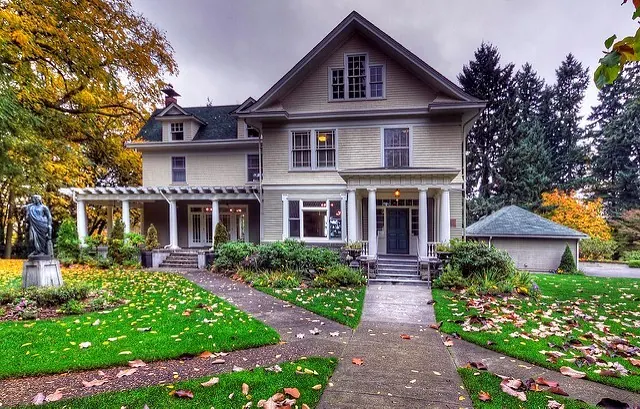
Today more than 9% of Americans live in fenced estates. A characteristic feature of American gated communities is their high degree of individualisation. Sports enthusiasts can look for an estate tailored to their passion, and older people, if they wish, will certainly find a quiet, fenced-off corner among other seniors. American gated communities grow into self-sufficient small towns, with their own roads, shops, and cultural and educational institutions.
Golden cages?
In Europe the boom in gated communities is not as strong as in America, but there are countries where living in an estate separated by a fence is extremely desirable. This is exactly the case in Poland, where the capital alone currently has more than 500 gated communities. According to property market specialists, this trend will continue to grow. Surveys confirm that more than 40% of us dream of living in just such a place. Among the groups most willing to move to a gated community are families with children and seniors.
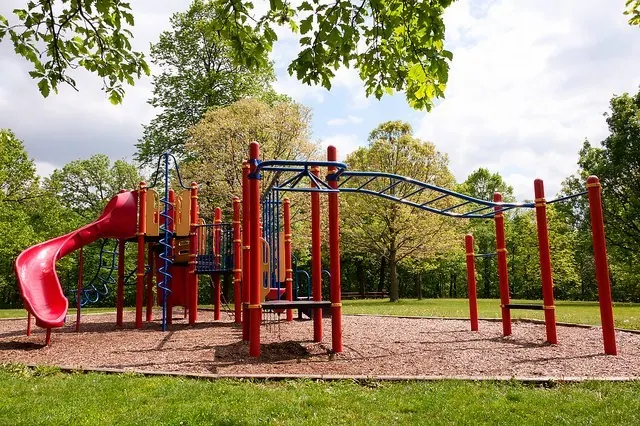
It looks as though in Poland the main reason for interest in gated communities is a greater sense of security. In this context it matters whether the fenced estate is guarded by a professional security service. Residents of such estates value the comfort of being able to leave their car in front of the flat without fear that it will be stolen or vandalised. Fear of theft or acts of vandalism is also practically minimised in such estates. In addition, residents of gated communities appreciate peace and quiet. Most gated communities also offer mini parks or playgrounds, which is a big asset for the youngest residents.
Opponents of gated estates point to the ghettoisation of parts of the city. They argue that such enclaves create a sense of threat in society. Since the crime rate in Poland is not high, why fence off one part of the city from another? Jacek Gądecki, a researcher who studies the impact of gated communities on society, writes in his book "Za murami. Osiedla grodzone w Polsce – analiza dyskursu" (Behind the Walls: Gated Communities in Poland – A Discourse Analysis): Fear as a motivation for buying a flat in a gated community does not have to have any real basis. It is enough for it to be skilfully created and fuelled.
Especially in larger cities, gated estates are an obstacle for people who do not live in them. They are an enclosed space that has to be bypassed, which makes getting around the city quickly considerably harder.
It is difficult to give a clear-cut assessment of the motives of those who oppose or support fenced estates. For many of them, gated communities are certainly a safe alternative. They must, however, be built in a considered way, so as not to inconvenience people who cannot enter their grounds.