
How to convert perpetual usufruct into ownership
Text from 2018. Laws, rates and prices may have changed since then. Ask an agent
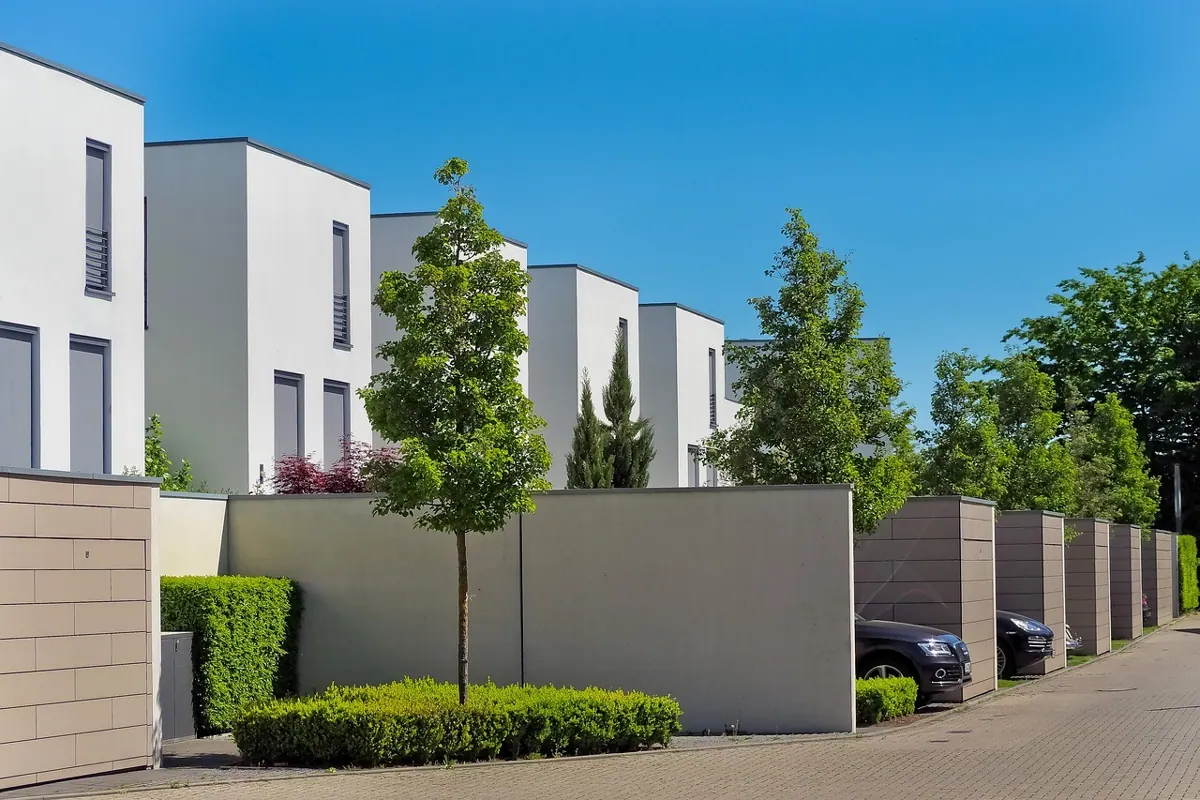
Thanks to perpetual usufruct (użytkowanie wieczyste), many plots of land with no defined purpose can be developed by investors. Everyone benefits – the right-holders do not have to pay a large sum up front, and the State Treasury or local government units can count on creative activity within their territorial boundaries, which will bring, for example, new jobs and make the area more attractive. Ownership creates new possibilities. But not for everyone. Find out who can count on this conversion under the act.
What is perpetual usufruct?
Perpetual usufruct is a right that sits halfway between ownership and limited rights of use. In essence, the user has the use of a plot of land owned by the State Treasury, a voivodeship, a county or a municipality. The perpetual usufructuary enjoys protection similar to that of an owner. Both natural persons and legal entities can apply for use, for a fixed period. The time limit is precisely one of the distinguishing features of perpetual usufruct. It is usually set at 99 years. In some cases it is shorter, but it cannot be less than 40 years. In addition, before the agreed period expires, the user can apply to extend it. This institution is specific to Polish civil law, introduced in the days of the Polish People's Republic on the model of Soviet solutions.
Advantages and disadvantages of perpetual usufruct
One advantage of perpetual usufruct is financial. The fees amount to 0.3 – 3% of the property's price. The buyer therefore does not have to pay out a large sum of money immediately. This eases their budget and lets them plan other expenses optimally. The second advantage is the long period of use. When building a housing estate, say in Katowice, or putting up a shopping centre there, a term of nearly a hundred years is extremely distant compared with the prospect of profit. By then, for the most part, all the assumptions of the business plan will have been realised. Unfortunately, perpetual usufruct comes with certain limitations. One risk is rising property prices. The trajectory of this market is changeable, so fees calculated as a percentage of the property's value may rise considerably. Moreover, the purpose for which the building is to be put up is fixed in advance in the agreement. If the buyer fails, for example, to build a specified number of houses, the owner may terminate the agreement.
From perpetual usufruct to ownership
In July 2005 the act on converting perpetual usufruct into ownership of property was passed. It applies to owners of premises or natural persons with a share in a building. The condition for the transfer to ownership is a certificate that the premises were intended for residential purposes. The act stipulates that properties converted after 13 October 2005 into residential buildings, or land used at that time for residential development (if it previously served a different function), will not be subject to conversion. The land that will be granted as ownership includes land on which single-family houses stand, multi-unit buildings in which at least one unit has been established as separate property, and garages or parking spaces belonging to a flat.