How to take a good photo of a property?
Text from 2021. Laws, rates and prices may have changed since then. Ask an agent
No one needs convincing that sales success in the property industry depends largely on the quality of the listing we post on websites. Its basic component is of course the text, which should be as comprehensive as possible. The second, equally important aspect is the photos, without which a listing may go unnoticed by potential buyers. So how do you take photographs that will encourage people to buy? That is what this article is about.
Proper arrangement of the interior
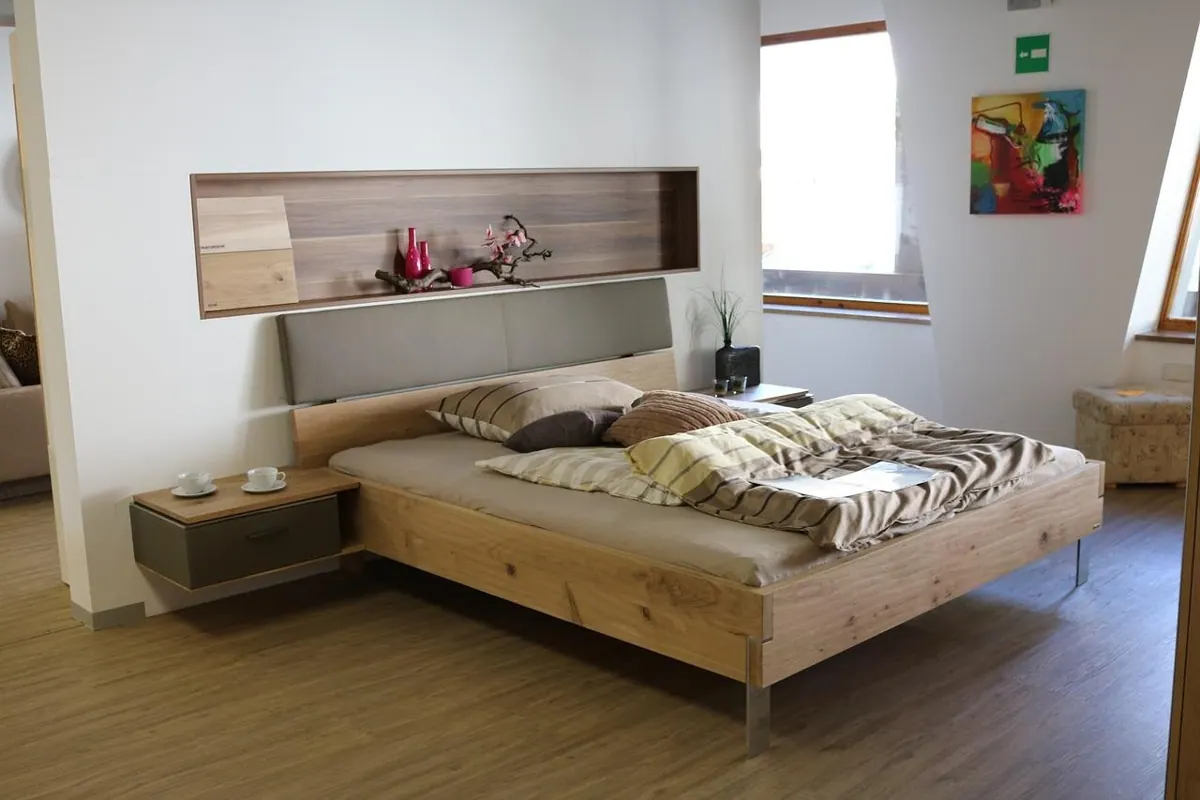
A photo of a property's interior should above all show order and tidiness. Photos showing clothes strewn about, unwashed plates or lots of personal items are unacceptable. Before we do a photo shoot in a flat for sale or rent – a shoot whose overriding aim, after all, is to encourage clients to buy – it is worth arranging the space properly. Perhaps a little home staging would help, refreshing the interior and giving it a completely new character?
Take care of the light
Interior photos are best taken in daylight. They then reflect the real state of things most accurately. For the photographs to look as natural as possible, it is best to take them in the morning or in the afternoon. Everything also depends on which side the windows are on. An overcast day is also a good time for taking photos. Overly harsh sun may not be conducive to good shots.
The right camera height
This is a rule that few people are aware of. We usually take photos standing up, and that is how we would photograph the interiors of a flat for sale. It turns out, however, that the best shots come from sitting down while taking the photos. We should sit on a sofa or a chair. This perspective will present the space in the most favourable way.
Keep it vertical… and level
How you hold the camera or phone while taking photos is also very important. It does not look very inviting when photos of a property are crooked. It also distorts the perspective and means the photographs do not reflect reality well, which makes it hard to imagine the interior from them. To keep the photo properly vertical and level, it is a good idea to use a tripod. A camera with a spirit level on its screen can also be useful. Many phones these days also have on-screen grid lines, which make it easier to get the perspective right.
Avoid overexposed and underexposed photos
Photos presenting properties must be neither too bright nor too dark. Check that they have no completely white patches that hurt the eyes, or completely black areas. If a photo we have taken does not satisfy us in terms of brightness, it can be corrected in basic photo-editing programs. It is important, however, to remember to ensure access to as much natural, soft light as possible, which will help you take the best photograph.
Go for depth
A very good practice is to photograph rooms in such a way that the photo shows at least one corner of the interior. This technique gives us a feeling of depth. The photograph becomes more realistic and the space more clearly visible. This also contributes to the attractiveness of the room itself and to a more positive impression among the people looking at the photograph.