What surprises must you be prepared for when planning to build a house?
Text from 2018. Laws, rates and prices may have changed since then. Ask an agent
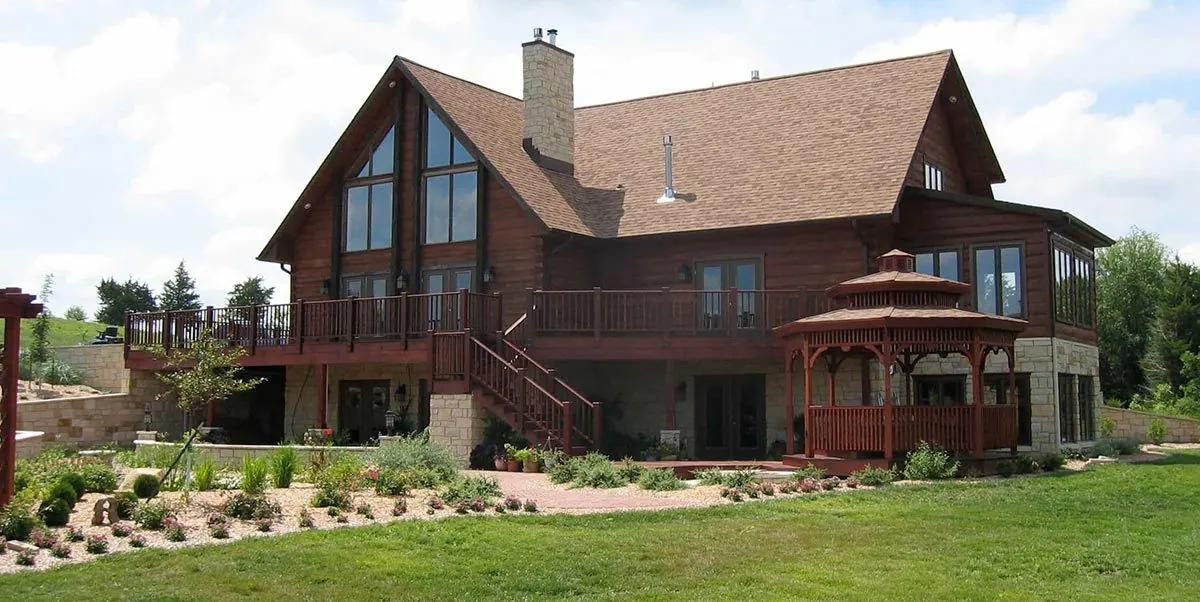
Each of us dreams of creating an exceptional home full of warmth and joy. It is true that a home is made by people and a special atmosphere. It is also true that how it looks is of considerable importance. The surroundings, floor area, interior design and type of building are certainly matters that are considered when you want to buy or build your own nest. If you want to buy a flat, say in Katowice, it is worth turning to specialists at an estate agency. If, on the other hand, you are planning to build, before you start work it is worth gaining the knowledge that will help you avoid many misunderstandings.
Where can you build a house? Changes in 2018
The key thing is to find out about the potential places where you can raise the walls of your house without obstacles. The 2018 amendment to the Construction Law says that the minimum distance of a building from a forest boundary is to be at least 4 metres, if that boundary lies on the neighbouring plot. This is a clear change compared with the recommendations from 2017, when that distance could not be less than 12 metres. If the forest boundary is on our plot, construction can begin directly next to it.
It is worth paying attention to siting distances within your own plot. According to the latest guidelines, placing a building on the property boundary or within 1.5 metres of the plot boundary will be possible where the local spatial development plan provides for it. This can considerably speed up the start of construction work, because the investor does not have to submit an application for a derogation from technical and building regulations. This is a nod to owners of narrow plots. The circumstances mentioned above change if the owner wants doors or windows to face the neighbouring building plot. Then obtaining a permit will be necessary.
The year 2018 also brought significant changes for investors other than private individuals. A convenient solution when building housing estates was so-called "phasing of the investment". It meant that a building permit was obtained for each single building that could function independently. An advantage of this solution was also the possibility of genuinely spreading the investment costs. If phasing is not permitted, the developer is forced to present a complete project, which will also contain information such as the number of parking spaces and the number of residents.
What won't you need a building permit for?
A list has been drawn up of structures for which an individual owner will not need a building permit. It is enough to give notice of the planned start of construction work. Below we present a few examples:
- Building fences
- Building farm outbuildings connected with agricultural production and supplementing farmstead development within an existing farmstead plot.
- Building electricity, water, sewage, gas, heating and telecommunications connections.
- Insulating buildings up to 25 metres in height.
- Building garden swimming pools and ponds with an area of up to 50 m2.
The list above is only a sample of what is contained in the points specified in Article 29 of the Construction Law. That is why it is worth getting to know it better, so as not to carry out unnecessary formalities.