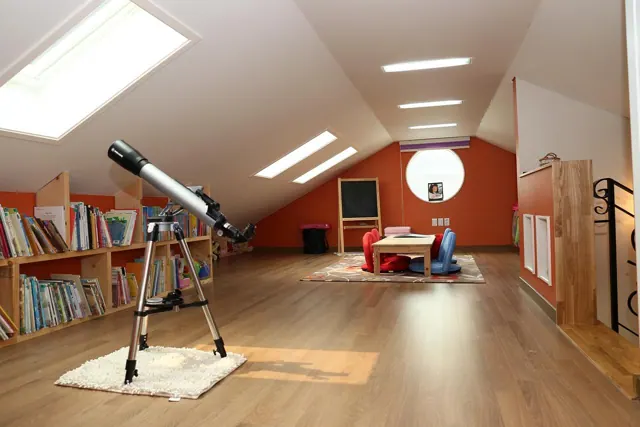
Habitable or non-habitable attic?
Text from 2023. Laws, rates and prices may have changed since then. Ask an agent
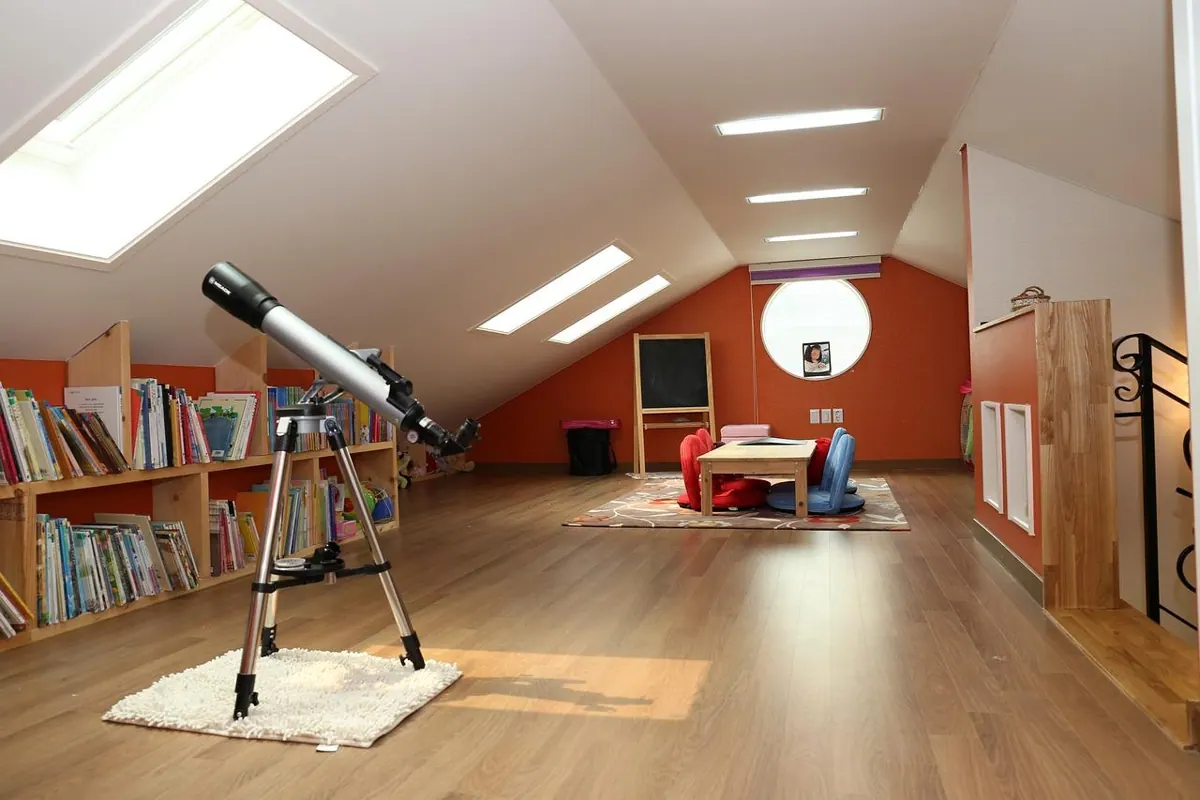
A habitable attic is used in many buildings - unsurprisingly, as it provides excellent storage space. What is more, nothing stands in the way of it also being a place to work and live. But is it worth opting for a habitable attic? Perhaps the non-habitable version is a better choice?
Non-habitable and habitable attics
The space between the roof and the highest ceiling - in other words, the attic. For many people, a part not worth using because of the additional costs. Others, in turn, are happy to develop this space not only for storing furniture or other things, but also as a living area. A non-habitable attic is above all an area where people do not live. So if we know we will not use it, there is no need to think long about planning it. Of course, this part must be taken into account in the design, especially since a non-habitable attic does not mean at all that small items or furniture cannot be kept there. A habitable attic, in turn, is designed for people, but it requires the space to be fitted out and a suitable floor slab to be built, most often a concrete one. What is more, the structure of the roof truss and the ventilation must be somewhat different. A habitable attic also requires insulation, finishing and lighting. The costs will of course be higher, but the usable floor area will often increase significantly.
Functions of non-habitable and habitable attics
The difference between a non-habitable and a habitable attic stems above all from their functions. A habitable one will be used as living space and auxiliary space, because walk-in wardrobes will certainly appear there, and even a bathroom or kitchen in the case of multi-family houses. Interestingly, such an attic may include room for commercial premises to let. Of course, this will generate higher costs during construction, which will, however, pay for themselves over time through rental income. The function of a non-habitable attic is mainly storage - it is where we most often put fairly light things, such as Christmas decorations, old furniture or tools, if there is no other separate place to store them.
Technical requirements – not to be forgotten
A habitable attic must meet many legal requirements, which relate to the comfort but also the safety of all residents. A strong and solid floor slab is essential - the attic must bear the weight of, among other things, partition walls and insulation, not to mention the furnishings. A habitable attic must be separated from the combustible part of the roof, and the ceiling height for permanent occupancy should be around 2.2 metres. The interior must be insulated and fitted with ventilation, heating and wiring. Windows in the gable walls must not be forgotten.
Tags: attic