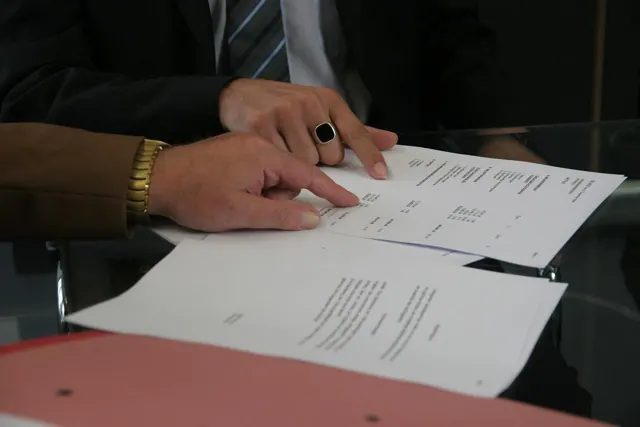
Loan for use agreement – a simple way to hand over a property temporarily
Text from 2022. Laws, rates and prices may have changed since then. Ask an agent

Perhaps you have a second flat and your son lives in it. Did you know that you have concluded a loan for use agreement (umowa użyczenia) with him? This legal arrangement is a good safeguard when giving consent to the use of a property. This applies mainly to outsiders rather than family members. What does it involve and how does it work? Read on to find out.
Loan for use agreement - not just a verbal arrangement
A loan for use agreement is usually concluded orally between close and more distant relatives and involves consent to use a flat free of charge. It can of course also be concluded in writing, but this is usually done where there are no family ties. In that case, it is worth simply writing down what has been agreed verbally. Signing an agreement with an unrelated person usually takes place in formal, business situations, e.g. when an employer lends a flat to an employee for a specified time.
What should a loan for use agreement contain?
From the formal point of view, the points listed below should also be included in an oral agreement, but because it is concluded mainly between family members, it takes on a less official character. It should include:
- the parties to the agreement: the lender and the borrower;
- the address, floor area and number of rooms of the property;
- the technical condition of the premises, appliances, fittings, wiring and plumbing, etc.;
- the lender's obligations;
- the meter readings for the individual utilities;
- the borrower's obligations;
- the signatures of the parties (for a written agreement).
A loan for use agreement does not have to be registered anywhere. It may concern the whole property or a separate part of it. Its duration may be short-term, for example 3 months, or long-term. The end of the agreement may depend on conditions specified in it.
What rights and obligations does the borrower of a property have?
The borrower has the right to live in the flat, house or premises free of charge. They may not lend the premises to other people without the owner's consent. The person staying in the property is obliged to bear the maintenance costs and ongoing bills, unless the loan for use agreement says otherwise. When the loan ends, the property should be in the same condition as before the agreement was concluded, or of course better.
Termination of a loan for use agreement
If the agreement specified its duration or the conditions for its expiry, the loan of the property ends when that term expires or those conditions are met. Such a condition may be, for example, the termination of the employee's contract or the daughter finishing her studies. Where the borrower fails to observe the contractual provisions, for example by damaging property, the loan for use agreement may be terminated with immediate effect. A drawback for the person borrowing the premises is that, in the event of unforeseen circumstances, the lender can recover the property at any time.
A loan for use agreement is a convenient document that regulates the legal relationship between the property owner, who wants to let someone use it free of charge, and the person receiving it. This solution protects both sides. It is a safe way of erring on the side of caution. An estate agent in Katowice will gladly dispel any doubts regarding the loan for use agreement, as well as other legal arrangements.