
What is violation of domestic peace and how can you fight it?
Text from 2019. Laws, rates and prices may have changed since then. Ask an agent
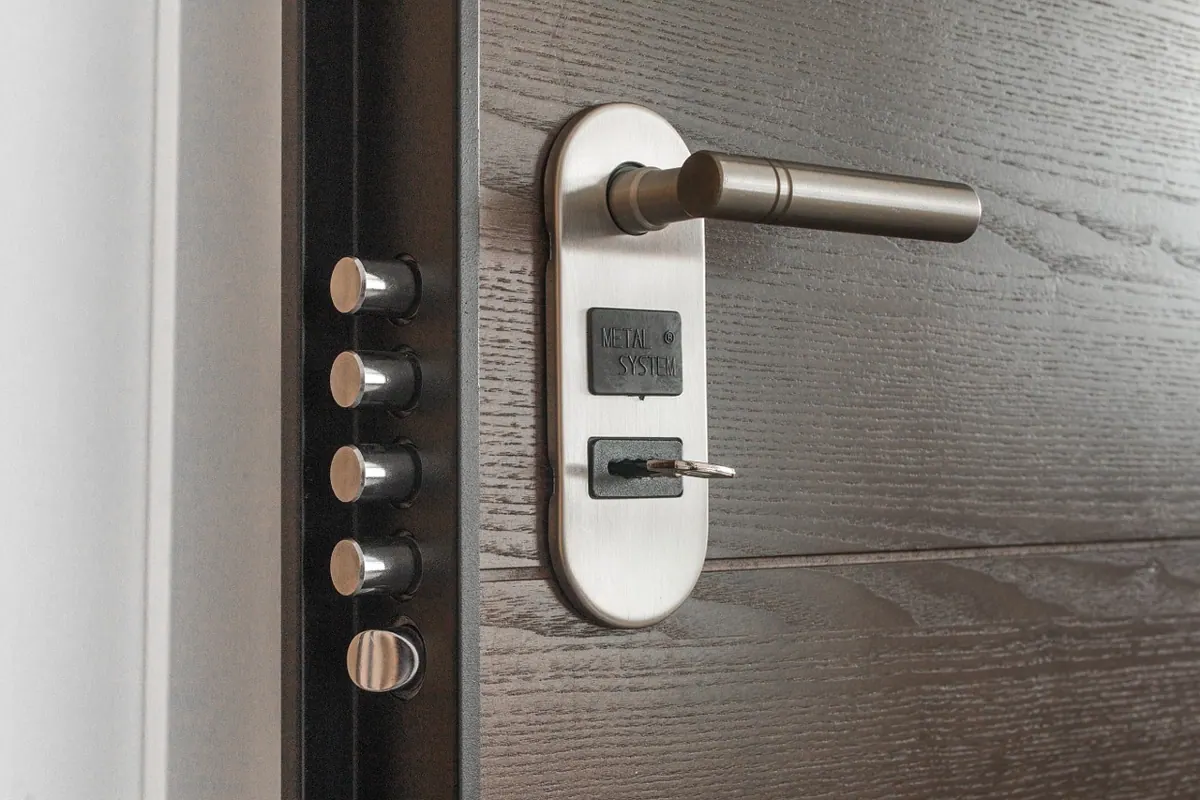
You have rented a flat and you quite like living there, apart from one annoying fact – the landlord comes round far too often, even when you are not at home. Don't worry. You really don't have to put up with it. Such behaviour amounts to a violation of domestic peace (naruszenie miru domowego) and is punishable. Find out how to deal with an intrusive landlord and win back your privacy in the rented property.
Domestic peace – what does the Criminal Code say?
Article 193 of the Criminal Code states clearly that a landlord has no right to enter a rented flat without the tenant's consent. Of course, there are a few exceptions to this rule, which we will deal with later in the article, but the basic principle does not allow domestic peace to be breached.
Article 10 of the Act on the Protection of Tenants' Rights also contains interesting provisions that govern the relationship between landlord and tenant. It is worth familiarising yourself with them. Among other things, they specify when a tenant is obliged to let the landlord into the flat. It turns out that this obligation arises in only one situation: when a breakdown has occurred in the property that has caused damage or poses a direct threat of damage. In that case the tenant has no choice and must let the landlord in.
In other cases the landlord may enter his or her own flat only in the presence of the police or the municipal guard.
If, however, the landlord enters the flat in the tenant's absence, he or she is obliged to secure the flat and its contents until the tenant returns. An appropriate written record must also be drawn up. If this is not done, every such intrusion is a breach of the Criminal Code, and therefore an offence.
Provisions in the tenancy agreement that allow the landlord to visit
If the landlord reserves the right to visit the flat in the tenancy agreement, his or her behaviour does not amount to a violation of domestic peace. However, the agreement should specify how often such visits may take place, and the
tenant should be informed of this. Moreover, the landlord must give notice before each visit. If this is not done, he or she violates domestic peace.
It must be made clear that by deciding to rent out a flat, its owner gives up some of the rights arising from ownership, so he or she can no longer walk in as if it were their own home, because it is now someone else's place of residence.
Violation of domestic peace – consequences
Under the Criminal Code, the penalty for violating domestic peace may be a fine, restriction of liberty or imprisonment for up to one year. It is also worth remembering that it is an offence not only to intrude into the tenant's home, but also to refuse to leave it when the tenant demands it.
A simple way to deal with an intrusive landlord
Few people who rent a flat realise that they do not have to put up with the landlord's unannounced visits at all. What is more, they can change the locks so that the landlord cannot get into the flat. Simple and effective 😉