What is the developer's standard (stan deweloperski) and what characterises it? Part 1
Text from 2019. Laws, rates and prices may have changed since then. Ask an agent
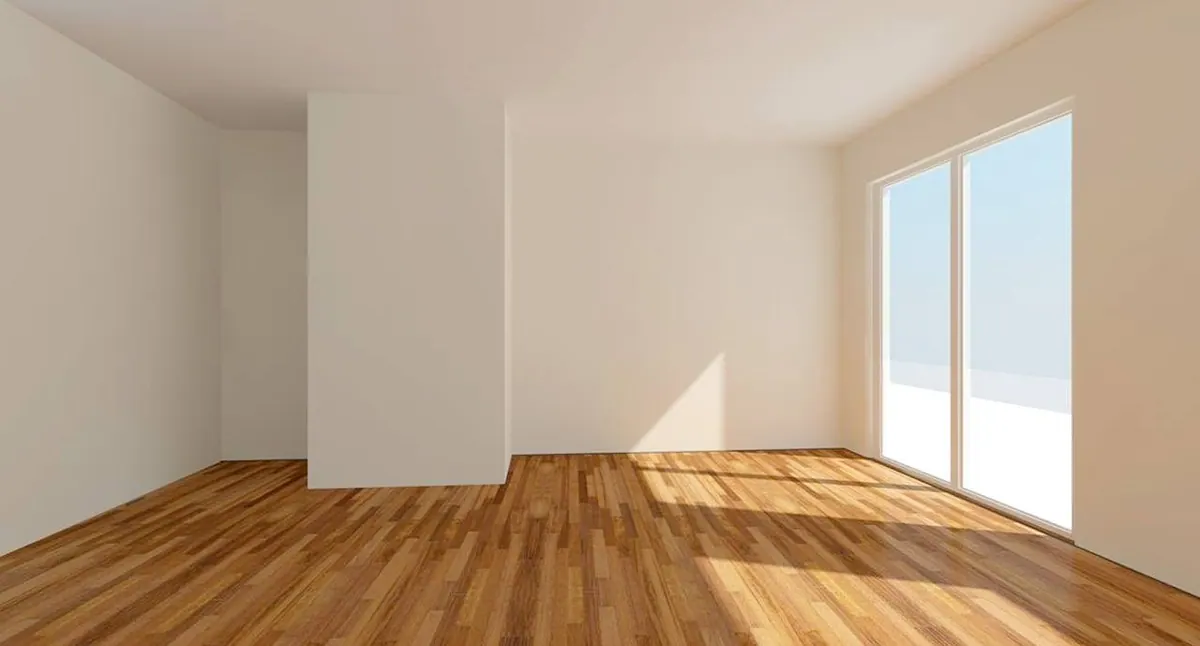
The developer's standard (stan deweloperski) is a term often encountered by people looking for a house or flat for sale. In fact it is an informal term for the standard of finish of a newly built property. Different units can differ considerably from one another in their developer's standard, so it is worth checking carefully what we can count on before collecting the keys to our new home.
When buying a flat or house from a developer, we receive it in the so-called developer's standard, that is, in a specified standard of finish of the property. Depending on the contractor, this standard can differ significantly. It must, however, match the information prospectus shown beforehand. This document sets out what we can expect from the newly built unit. When the keys are handed over, the information contained there should match the actual condition of the property, and as buyers we have the right to demand this from the developer. What does the developer's standard usually include?
Entrance door
Different standards of entrance door apply in a block of flats and in a single-family house. Since properties in blocks have stairwells, the door does not need to have high thermal performance. Both kinds, however, should be burglar-resistant. As buyers, we have no influence on the choice of the model and colour of the door. The decision about which door to install is up to the developer.
Windows
The current standard in new construction is to install triple-glazed windows with five-chamber frames. It is easy to check whether the flat we have bought, or are interested in, has them too. All you need to do is shine a torch on the panes. The number of reflections indicates how many panes the window has.
Plumbing and drainage
For most developers, the standard is to prepare the flat so that the future owner can choose the sanitaryware themselves. Some, however, install previously chosen models of baths, toilets or shower cubicles straight away. If we have invested in a flat that is still being built, there will most likely be an option to choose our own sanitaryware, for example replacing a bath with a shower, and so on.
Wiring and other systems
Here everything depends on whether we are buying an already finished flat or one that is yet to be built. In the first case we will probably not be able to influence the number and placement of electrical sockets. In the second, however, developers allow changes to the design, provided of course that they are requested early enough. But we must be prepared to pay extra accordingly.
Walls
Most developers allow future owners to alter the design of the flat itself. You can therefore adapt the layout of the walls to your preferences, provided of course that this does not conflict with the structure of the building itself. Any changes should also be submitted well in advance. So when buying a property that is yet to be built, look closely at its design and think about how you want to arrange the rooms.
The second matter is the finishing of the walls. Depending on the developer's specification, these may be bare plaster or a gypsum skim coat, painted as well. Remember that the type of finish is specified in the information prospectus and you have the right to demand what it sets out.
Floors and stairs
The generally accepted standard is a concrete screed on the floor. You can lay the flooring of your choice on it straight away. At the handover of the flat, however, it is worth checking that the screed has no chips or defects that could make it difficult to lay laminate panels or floor tiles.
The situation is similar for stairs made of screed. Make sure they are even, so that you have no difficulty laying your chosen surface on them.
Heating
The developer's standard for heating must meet the relevant standards. Radiators should be placed so as to provide a suitable level of warmth in every season. Some flats use underfloor heating. These matters are planned in advance and we usually have no say in them.
Before making a purchase, however, it is worth verifying how the unit will be heated. The choice is between district heating, gas, oil or electricity. The first option is the most convenient, the last the most expensive. So let us consider carefully whether it is worth investing in a flat with electric heating.
These are the developer's standards that apply to flats in a block of flats. In the case of single-family houses, there are several other matters, which we will write about in the next article.
Tags: for buyers