What is the developer's standard (stan deweloperski) and what characterises it? Part 2
Text from 2019. Laws, rates and prices may have changed since then. Ask an agent
In the last article we explained what the developer's standard (stan deweloperski) is. We also set out what standards apply in flats handed over to buyers in this condition. Today we extend the topic to single-family houses. Enjoy the read.
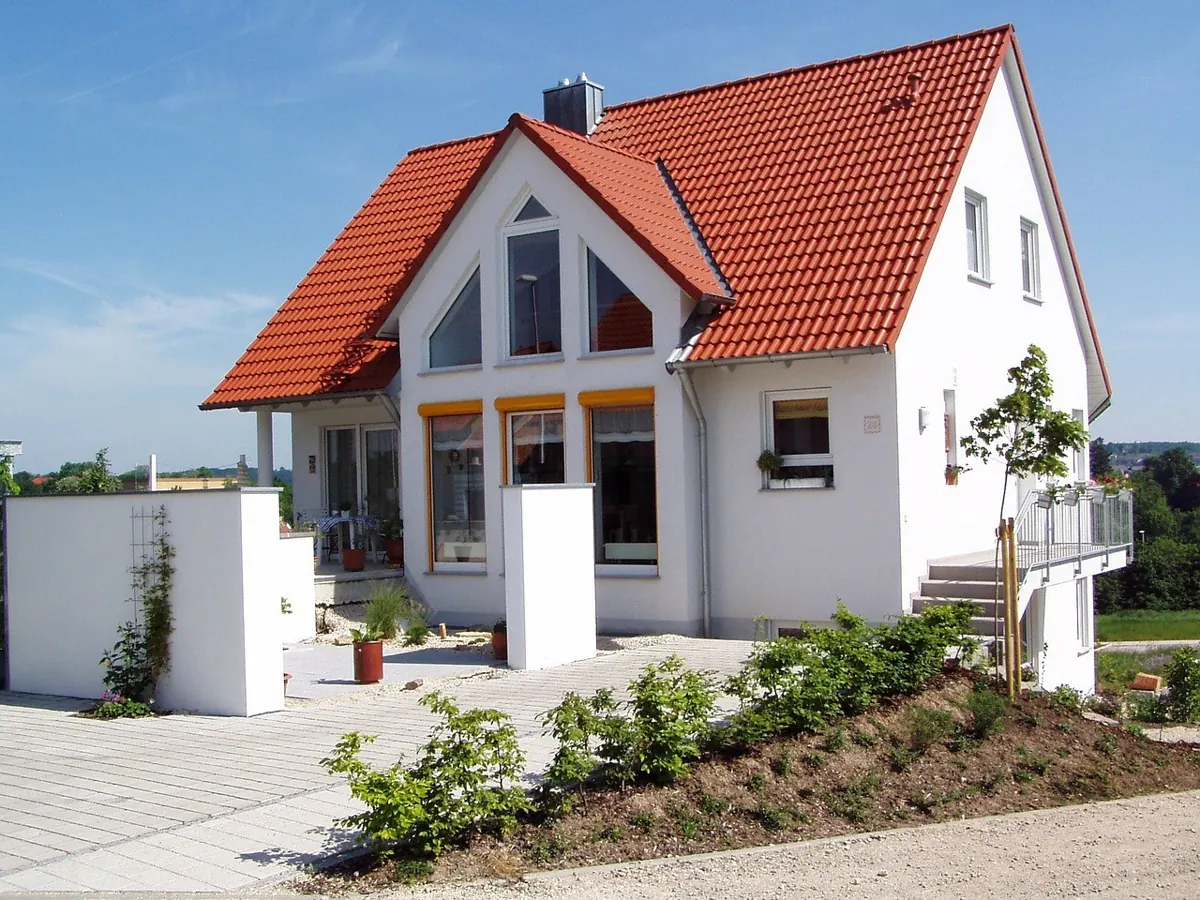
The developer's standard of a single-family house includes several additional elements. A property consists not only of the building itself, but also of the land around it, the fence, the driveway and the access road. So let us check what standards we can expect from the developer with regard to the elements listed above.
The loft
If a loft is planned in the information prospectus, it is worth asking the developer about several matters. The installation of stairs will be important, as will the insulation and finishing of the interior. Not all developers will offer this service, so it is worth taking care of it early enough. Insulation and finishing work in this part of the house is best carried out while the whole building is under construction. It will require an extra payment, but it will definitely improve the everyday comfort of living.
The fence
There are very many types of fence on the market today. It is therefore good to check what the developer plans to install. It may be the plainest steel mesh, but it may just as well be something sturdier. Some build foundations for a brick wall around the house. The question of the entrance gate is also important. Find out whether one is planned and how it will be opened. If the developer plans to install a fence that does not quite suit you, it is worth arranging the necessary changes before work on the fence begins.
The land around the house
The developer's standard of a house does not include landscaping the surrounding land. The brochures presented by the developer during the sale can be misleading. However, you need to remember that the greenery shown in them is only a visualisation. Once construction is finished, you can most likely expect a tidied site, ready to be arranged according to your own means and expectations.
Access
Building an access road to the plot is a rather problematic matter. Some developers offer it, others do not, so you should always remember to check the arrangements concerning this aspect. If the developer does not provide proper access, a problem may arise. Most often the owners of the buildings will have to build the road at their own expense, and it often happens that each neighbour owns only part of the land on which the road is to run. If everyone agrees and wants to build the road, we are in luck. It may, however, be the other way round. In addition, there are further matters such as lighting, snow clearing and cleaning the road. These too are worth agreeing with the neighbours.
It is therefore good to discuss the matter of access with the developer in advance, so as not to get into unnecessary conflicts with neighbours in the future.
Developer's standard versus turnkey construction?
We have covered all the most important aspects of developer's standard, both in flats in blocks of flats and in single-family houses. One more distinction remains, namely the difference between developer's standard and turnkey condition.
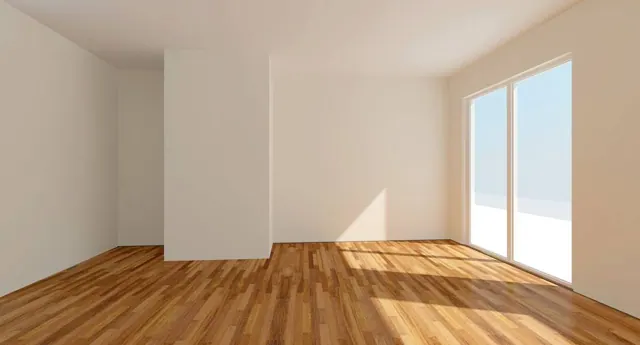
Turnkey properties, as the name suggests, allow you to move in practically straight away. All you need to do is put furniture in the unit and you can move in. Developer's standard, on the other hand, requires us to carry out the appropriate finishing, in the form of floors, fittings, painting the walls, and installing the bathroom and kitchen units.
In the turnkey version, in turn, all these aspects are already done. Of course, flats and houses of this type are correspondingly more expensive, but they relieve us of the need for labour-intensive interior decoration. The choice between developer's standard and the turnkey version therefore depends on our financial means as well as our expectations and needs.
Tags: for buyers