
What mistakes can appear in a notarial deed?
Text from 2018. Laws, rates and prices may have changed since then. Ask an agent
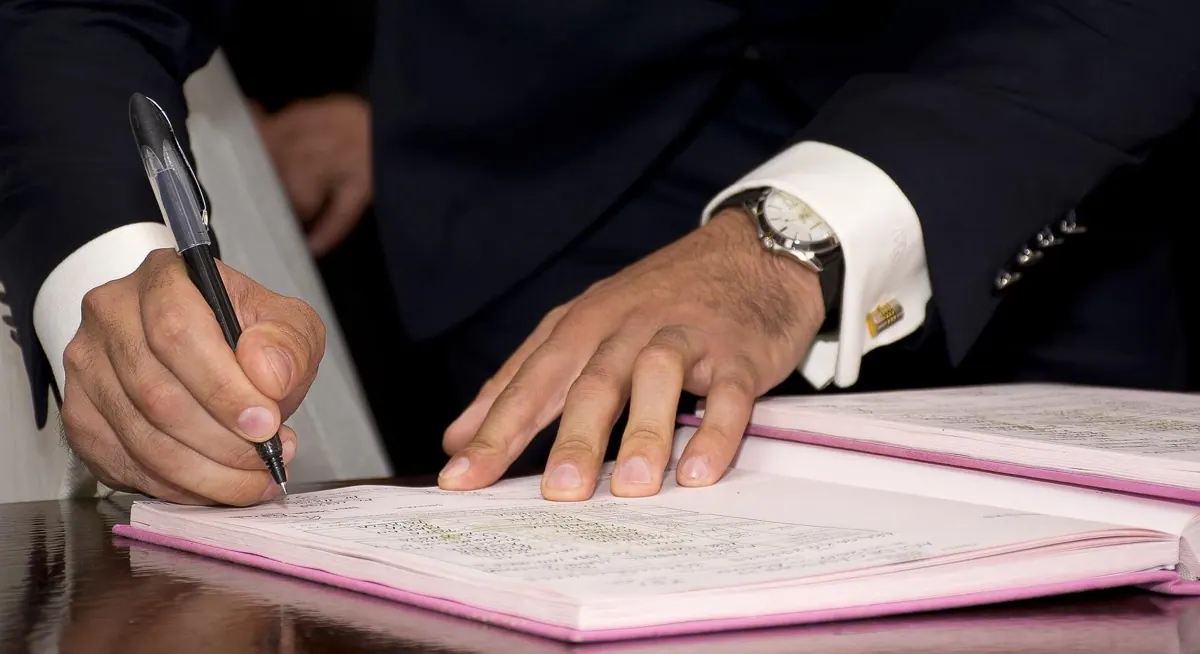
A visit to a notary is mandatory for almost every property transaction in Poland. Want to be sure that all documents have been drawn up correctly? Find out what mistakes can appear in a notarial deed (akt notarialny).
What is a notarial deed?
A notarial deed (akt notarialny) is a document drawn up solely by a notary or the notary's deputy. The notary takes part in shaping the content of the declaration, writes it down once it has been agreed, and acquaints both parties with it. The notary is also responsible for the signatures on the document. The document should be drawn up in Polish. Its fixed elements are: the date and place of its creation; the notary's details and the seat of the notary's office; the details of the parties involved; the necessary declarations; a statement that the deed was read out in the presence of both parties; the signatures of the persons taking part in the deed; and the notary's signature. Drawing up a notarial deed is a paid service. Unfortunately, mistakes sometimes occur while it is being prepared. Find out what to pay particular attention to.
What mistakes can appear in a notarial deed?
Notarial deeds contain a great deal of information about a particular matter. Unfortunately, mistakes do occur, caused by various circumstances. It is worth checking all the information carefully so that it can be corrected if necessary. The same mistakes occur as when drawing up any important document, such as those relating to the spelling of surnames. Writing them correctly is very important, and errors appear quite often. It is also worth checking PESEL numbers, addresses, and information relating to the area, address and floor of the flat. Let us pay attention to the amount written out in words. If incorrect entries appear in a notarial deed, it may be found absolutely void (nieważność bezwzględna) or in a state of suspended ineffectiveness (bezskuteczność zawieszona). The first of these means that the notarial deed cannot produce any legal effects. It follows that the agreement has not been concluded. Suspended ineffectiveness likewise means that the deed has no legal effects, but only until a third party gives consent to the act being carried out.
The most common mistakes in a notarial deed – LIST
- Spelling of the first names and surnames of both parties
- incorrect PESEL numbers and identity card numbers
- an inaccurate date of conclusion of the agreement
- entering the wrong area of the property
- incorrect entry of the agreed amounts
- inconsistency between the figures and the words
- an incorrect assessment of the facts underlying the legal transaction
- failure to collect mandatory charges, for example tax
READ ALSO – HOW TO CORRECT INCORRECT DATA IN A LAND AND MORTGAGE REGISTER (KSIĘGA WIECZYSTA)
Tags: interesting facts, for buyers, for sellers, buying a flat, buying property, tips, property market