Developer bankruptcy – what next?
Text from 2019. Laws, rates and prices may have changed since then. Ask an agent
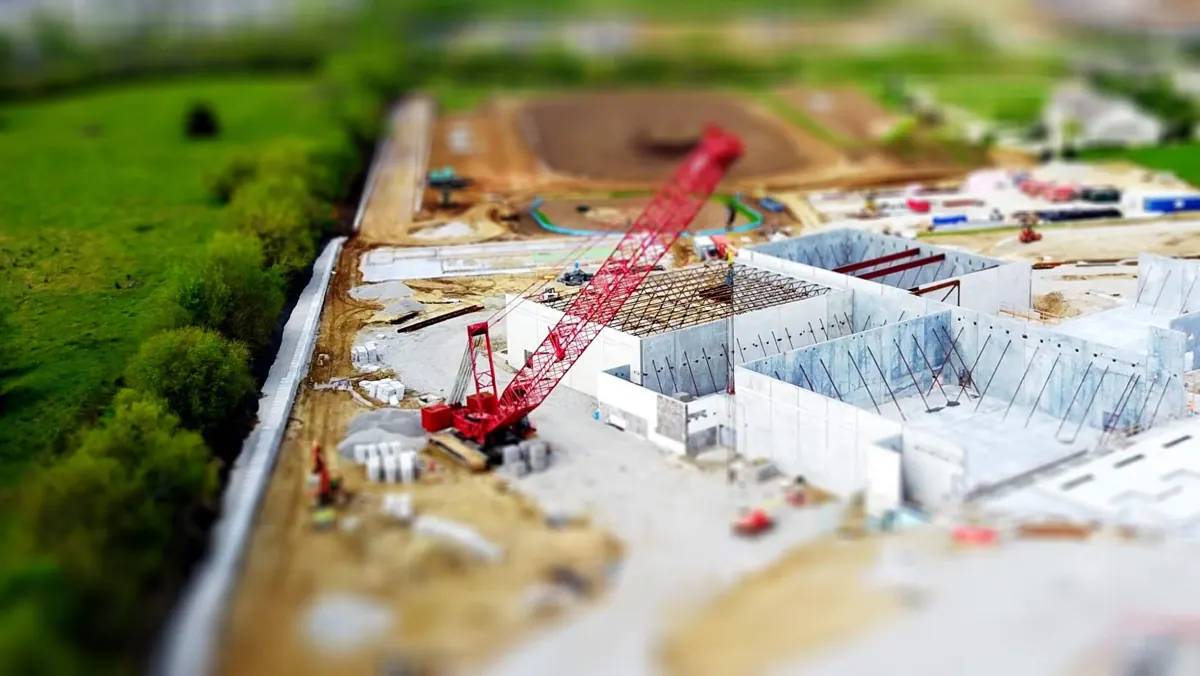
It may happen that, during a development project, its organiser falls into financial difficulties. A developer's bankruptcy does not have to mean the end of the construction, nor is it a sentence that prevents the investor from taking over the property. What should you do in such a situation?
• Dura lex sed lex• What can an investor obtain after a developer is declared bankrupt?
• Developer bankruptcy – what next?
• Continuation? Not always
• Another business
Dura lex sed lex
As early as 2011, the legislator recognised the need to regulate in law the matter of the bankruptcy of a developer in the middle of a construction project. Such cases do happen, which is why, since the amendment of the act of 16 September 2011 on the protection of the rights of buyers of residential units or single-family houses, we have specific provisions for this circumstance.
When a developer declares bankruptcy, it becomes necessary to apply Articles 425a–425s of the Bankruptcy Law. Under these provisions it is much easier for buyers to enforce their rights.
What can an investor obtain after a developer is declared bankrupt?
- Transfer of the right of perpetual usufruct (użytkowanie wieczyste) of the land and of ownership of the house standing on that plot
- Transfer of ownership of a property with a single-family house built on it
- Transfer of ownership of a residential unit to the buyer after separate ownership has first been established for that unit
Developer bankruptcy – what next?
Under the law, it is possible for the bankrupt developer to complete the construction. This requires the consent of a judge, who takes into account many different aspects of the ongoing project, including the real possibility of the bankrupt business completing it.
The developer's trustee in bankruptcy may – in line with the letter of the act – run the development project automatically, provided that the investors (the buyers of the units being built) have previously passed a resolution on the preliminary arrangement proposals (this is covered in more detail by Article 358(4) of the Restructuring Law).
Continuation? Not always
Sometimes – although it is not a common situation – further construction makes little sense. The bankruptcy proceedings should clarify this kind of situation. The trustee should then apply to the court for permission to stop further work. If consent is given and becomes final, the effect is withdrawal from the contract.
An instruction is then issued to return the would-be occupants' funds held in the residential escrow account.
FIND OUT MORE ABOUT THE OPEN RESIDENTIAL ESCROW ACCOUNT!
Another business
When the bankrupt developer is unable to fulfil its obligations, other businesses step in and may take over the development project. The court may consent to the sale of the property to another developer, once again examining the possibilities of completing the construction and bearing in mind the interests of the buyers of the residential units.
A developer's bankruptcy therefore does not have to mean the end of the construction. Of course, it is not a desirable situation – it brings quite a few legal consequences – but when deciding to buy a residential unit from a developer, you should be prepared for such a possibility.
Are you looking for more advice on property? Or would you like to ask a qualified agent a question? Click here!
Tags: house building, developer, investing in property: pros and cons