
Selling a property entered in the register of monuments
Text from 2019. Laws, rates and prices may have changed since then. Ask an agent
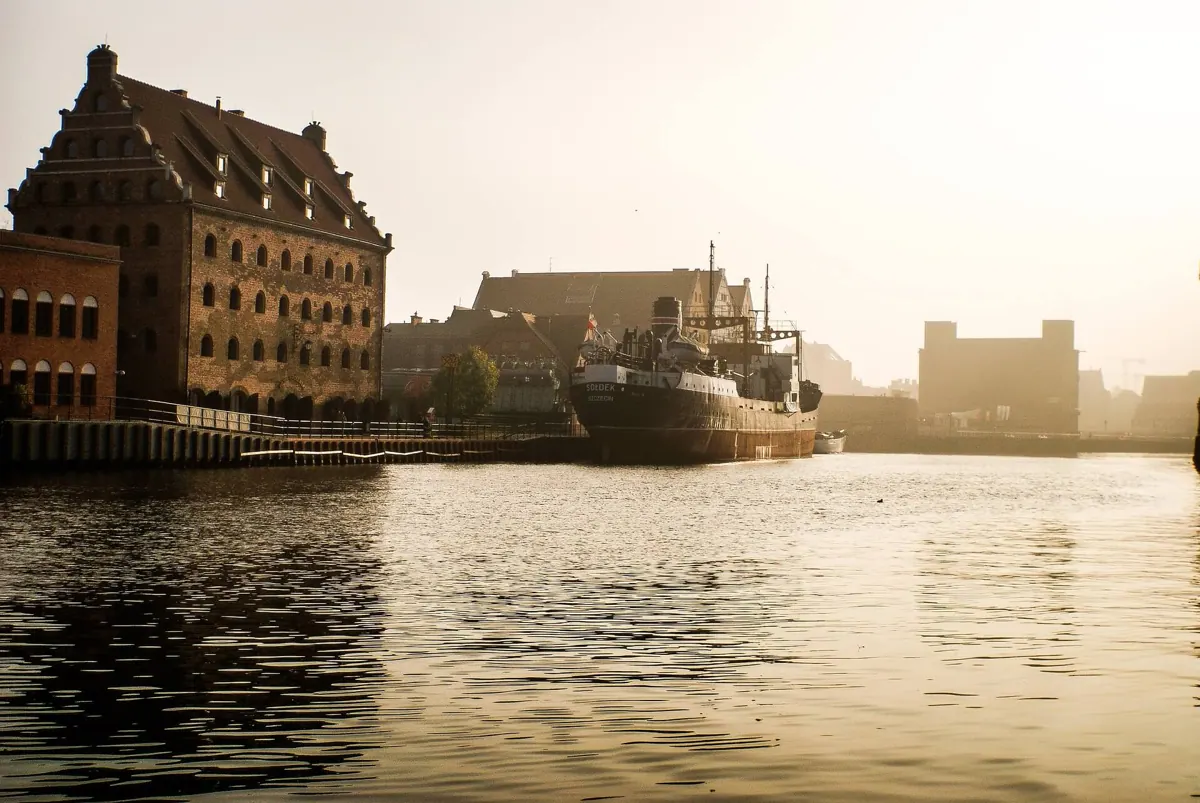
Obtaining heritage status for a property is a huge change. It brings certain benefits, but also quite a few obligations and restrictions imposed by the regulations. This is one of the reasons why owners sometimes prefer to get rid of a property entered in the register of monuments rather than invest their own funds in it.
• Legal situation• How to sell a property that is a historic monument?
• Every rule has its exceptions
Legal situation
A document worth getting to know better in such a situation is the Act on the Protection and Care of Monuments. Studying its content will help you better understand some of the mechanisms and what they stem from.
What is a historic property? The definition states that it is a part of a property, a complex of properties or a single property of historical, artistic or scientific value. The age of the building is also significant. The property is then entered in the register of monuments on the basis of a decision by the monuments conservator.
As owners of a property or perpetual usufructuaries of land (użytkownicy wieczyści), we can ourselves submit an application to have the monument entered in the register. If the property we actually use or own is entered in the register, a corresponding entry is made in the land and mortgage register (księga wieczysta). From that moment on, we have quite a few additional tasks ahead of us.
However, if we have decided to sell a property we own that is entered in the register of monuments, we must remember a few very important matters.
SEE PROPERTY LISTINGS IN SOSNOWIEC!
How to sell a property that is a historic monument?
First of all, in most cases the municipality holds the right of pre-emption over the property. This is the case if that right has been specified in the land and mortgage register. The head of the municipality (wójt), mayor (burmistrz) or city president (prezydent) may apply to have this information entered.
If we want to sell a historic property, we should prepare an agreement containing a condition that the municipality will not exercise its right of pre-emption. This is extremely important, because if such information were not included in the agreement… the document would become invalid. An unconditional sale agreement is simply not an option when it comes to a historic property.
If we want to sell, for example, a historic tenement house, we go to a notary to draw up a conditional sale agreement. The notary is then automatically obliged to notify the municipal authorities of the possibility of exercising the right of pre-emption. The municipality has one month to make its decision. If that deadline passes, the municipality forfeits the possibility of buying the property, and then nothing stands in the way of selling it to an interested buyer.
READ ALSO – HOW TO SELL A PROPERTY FOR MORE?
Every rule has its exceptions
There are two cases in which we do not need to worry about the municipality's right of pre-emption over our historic property. First: if we are transferring it to a member of our family. Second: if, as a legal entity of a church or religious association, we are selling the building to another person representing the same body.
Our main concern – as the seller – is drawing up the conditional agreement. If everything goes to plan at this point, selling a property entered in the register of monuments should not cause any problems.
Tags: how to prepare a property for sale, register of historic monuments, selling property